Claim: “You Cannot Be a Feminist and Support Islam”
Accuracy Assessment: True
The claim is True on empirical grounds: core Islamic legal texts include explicit sex-differentiated rules (inheritance, testimony, polygyny, and sexual access frameworks), and these are not merely historical artefacts with zero modern impact. Contemporary data and documented rulings show they are still invoked, defended, or reflected in public attitudes and legal-social practice across multiple countries and communities.123456
In practical terms, the evidence supports a direct proposition: supporting Islam as a normative legal-moral framework in its orthodox legal form conflicts with feminist equality principles.7891011
Key Claims at a Glance
| Claim | Assessment |
|---|---|
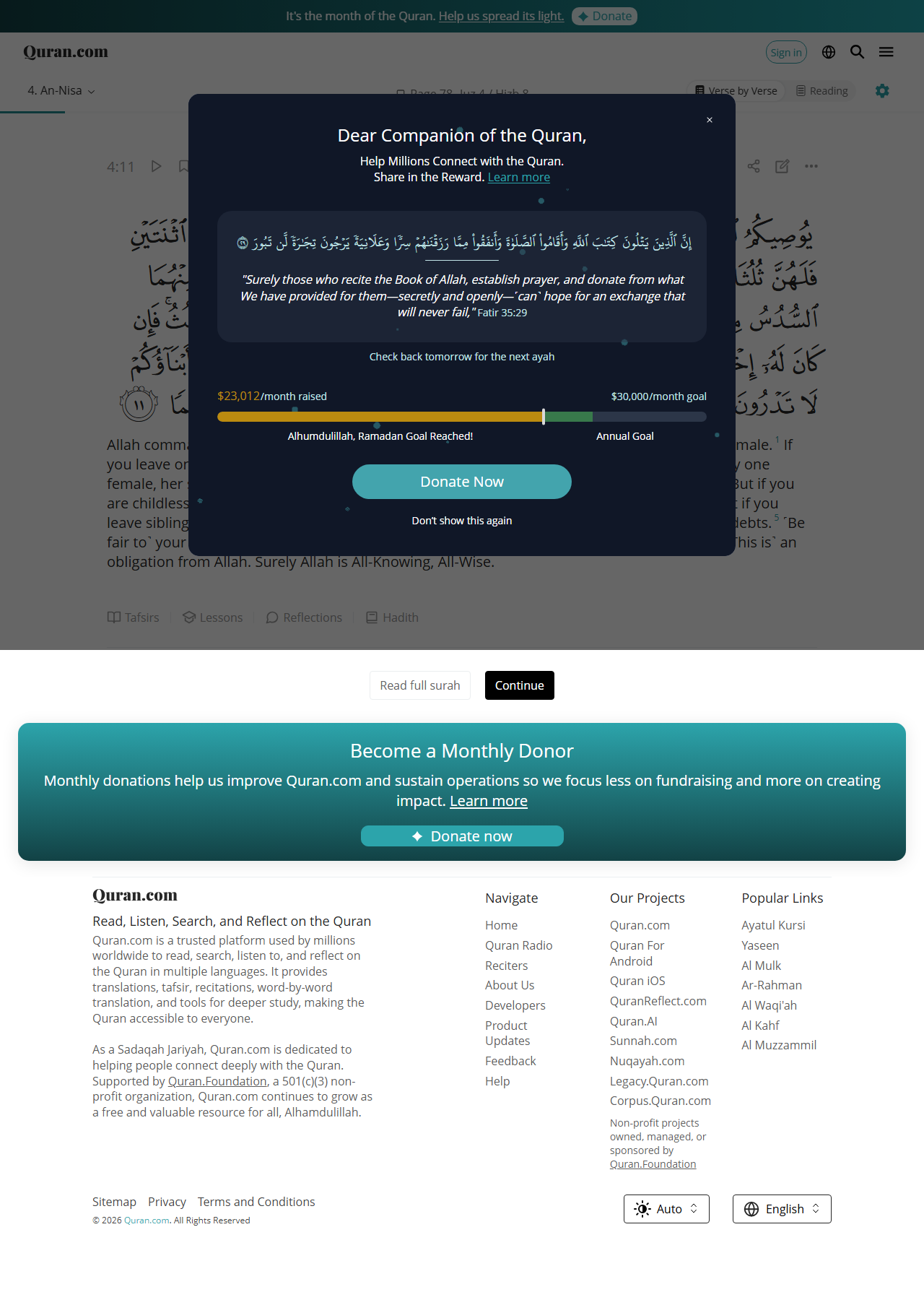
| Quran 4:11 prescribes sex-differentiated inheritance shares | ✅ True — text explicitly states male share twice female in cited case |
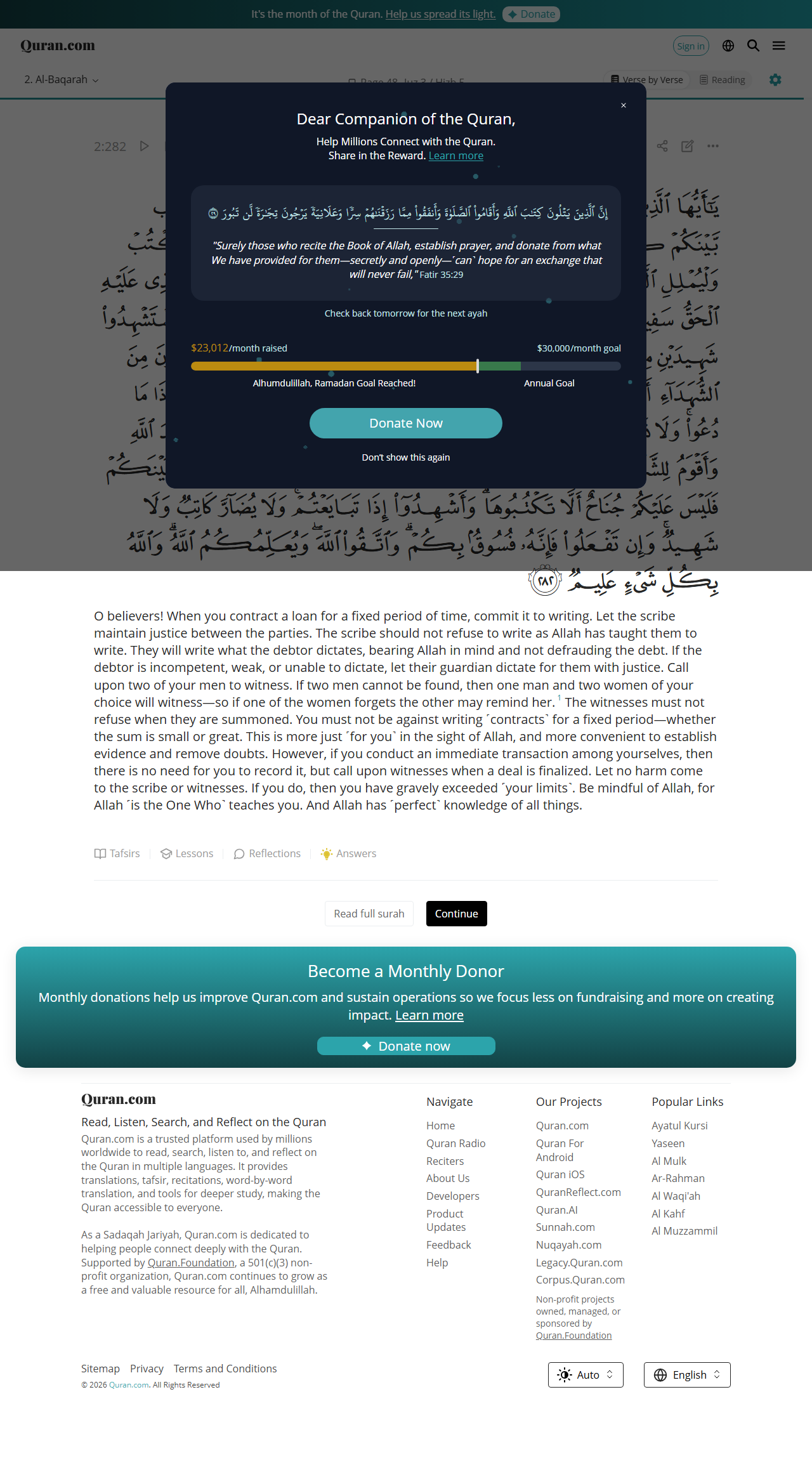
| Quran 2:282 uses a one-man/two-women witness structure in financial contracts | ✅ True — wording is explicit in the cited translation |
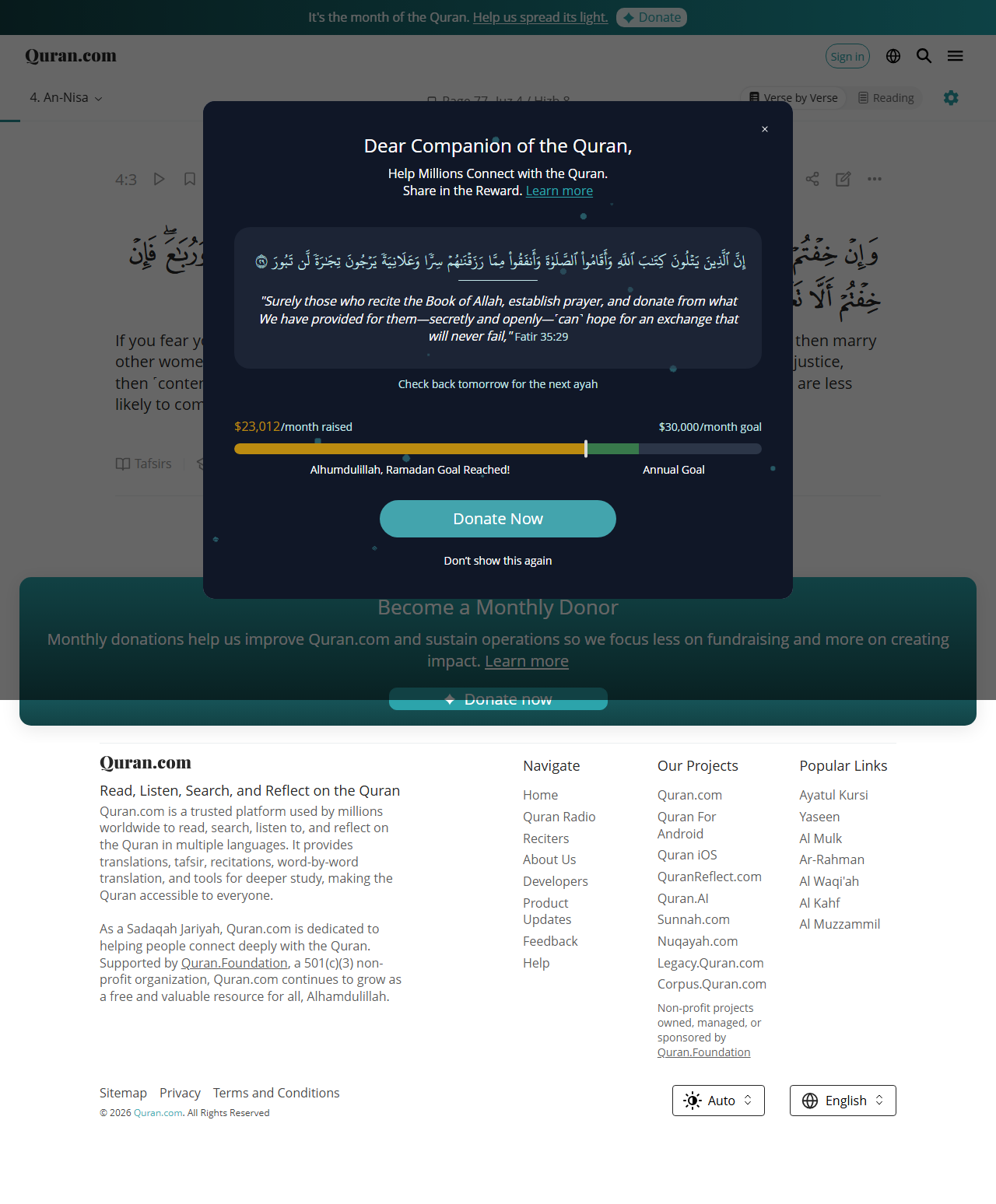
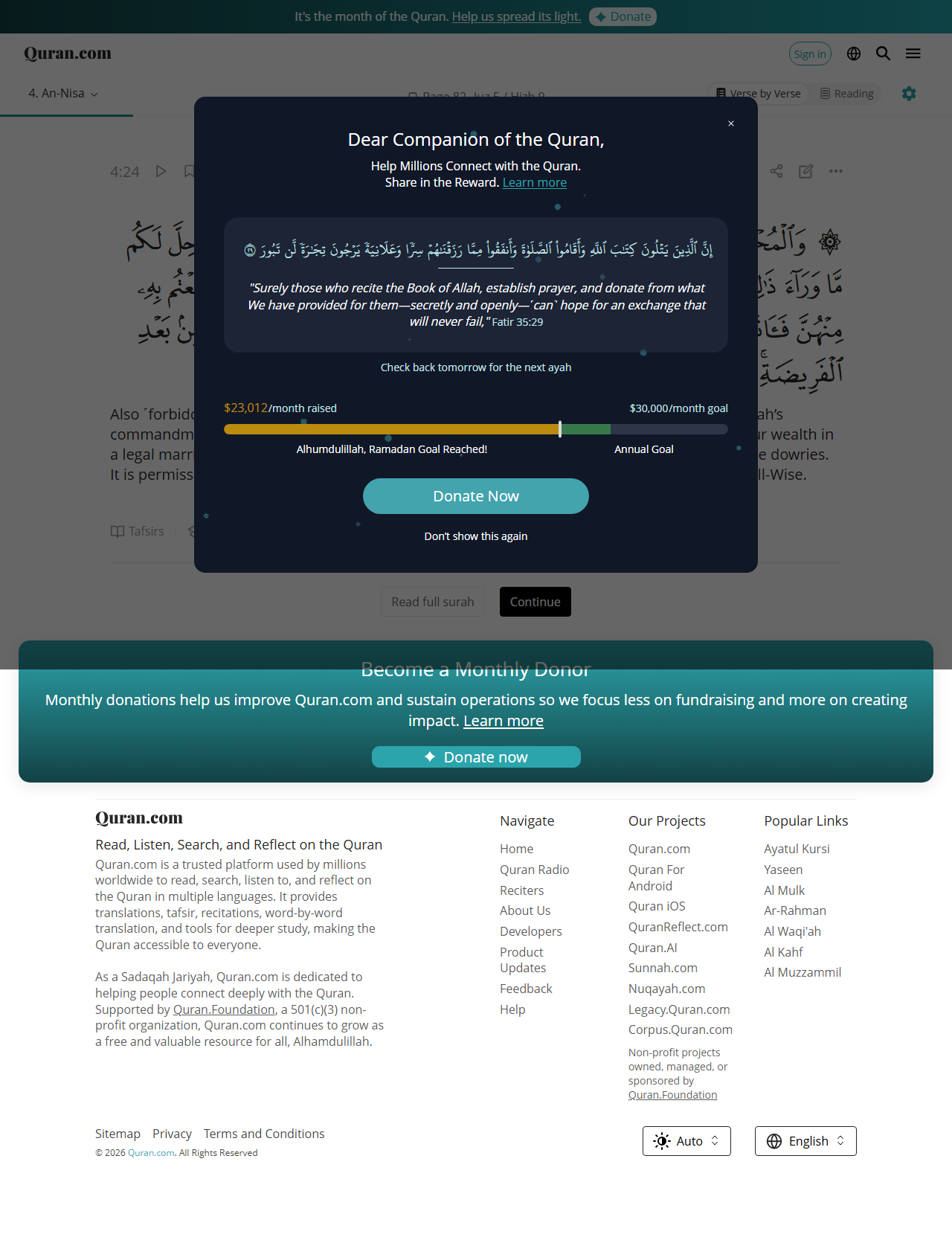
| Quranic marriage/sexual-access framework gives men unilateral structural privileges | ✅ True — polygyny and possession/bondwomen clauses are textually present |
| Canonical hadith preserves the Aisha six/nine marriage-consummation narrative | ✅ True — Sahih al-Bukhari 5134 states six and nine |
| Contemporary clerical institutions still defend that child-marriage precedent | ✅ Largely True — modern fatwa material explicitly reaffirms it |
| Cross-country polling shows strong support for punitive sharia penalties against women | ✅ True — Pew reports high support for stoning in multiple countries |
| UK polling shows substantial wife-obedience attitudes among Muslims | ✅ True — ICM/Channel 4 reports 39% agreement |
| Documented imam rhetoric still blames women’s non-covering for sexual assault risk | ✅ True — “uncovered meat” sermon is documented |
| FGM remains widespread at scale in multiple Muslim-majority countries | ✅ Largely True — global burden and country prevalence are well documented |
| Virginity testing, menstrual exclusion, and honour-killing evidence show current gender-control practice | ✅ True — WHO/UN condemnation + Egypt cases + mosque exclusion rulings + Pakistan incidence + Pew cross-country support data |
| Dedicated burqa claim independently reaches the same conclusion | ✅ True — full standalone analysis already published and rated True |
| Islamic gender doctrine codified in law across Muslim-majority states | ✅ True — child marriage without minimum age (Saudi Arabia, Yemen), Bangladesh 51% child marriage rate, polygyny legal in Saudi Arabia/Pakistan/Iran/Egypt/etc., Iran’s criminal hijab law (up to 10 years prison), Taliban dress mandates, and Pakistan’s unequal testimony law (Article 17 Qanun-e-Shahadat) |
Claim Breakdown
1. Quran 4:11 prescribes sex-differentiated inheritance shares
✅ True
Quran 4:11 states that “the share of the male will be twice that of the female” in the cited inheritance scenario.1
Verdict: ✅ True.
2. Quran 2:282 uses a one-man/two-women witness structure in financial contracts
✅ True
Quran 2:282 states that where two men are unavailable, one man and two women are used in the witness structure for debt contracts.2
Verdict: ✅ True.
3. Quranic marriage/sexual-access framework gives men unilateral structural privileges
✅ True
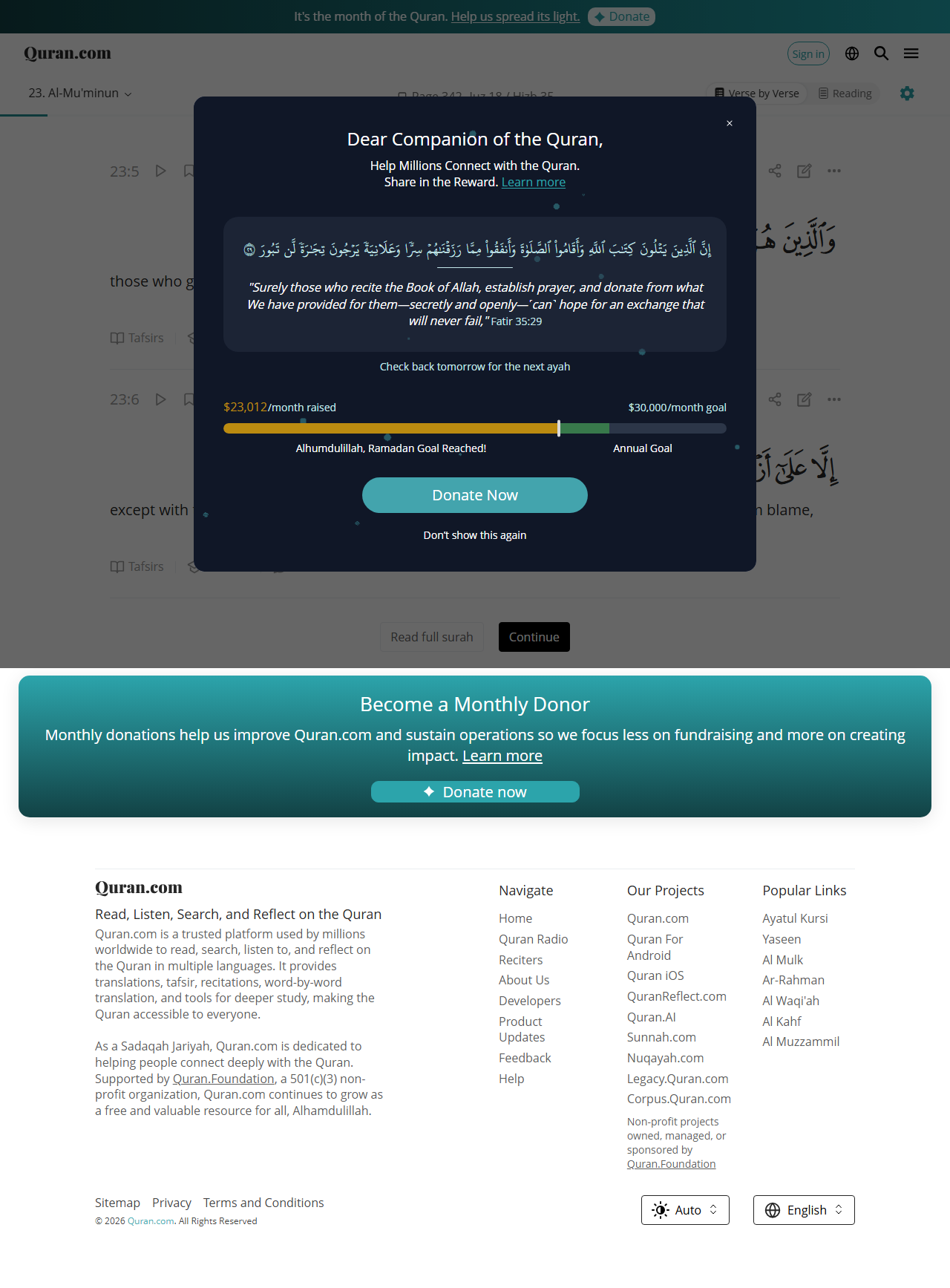
Quran 4:3 permits men to marry “two, three, or four” wives, while also referencing bondwomen in possession.3 Quran 4:24 and 23:5-6 include lawful sexual-access language tied to captives/possession categories.45
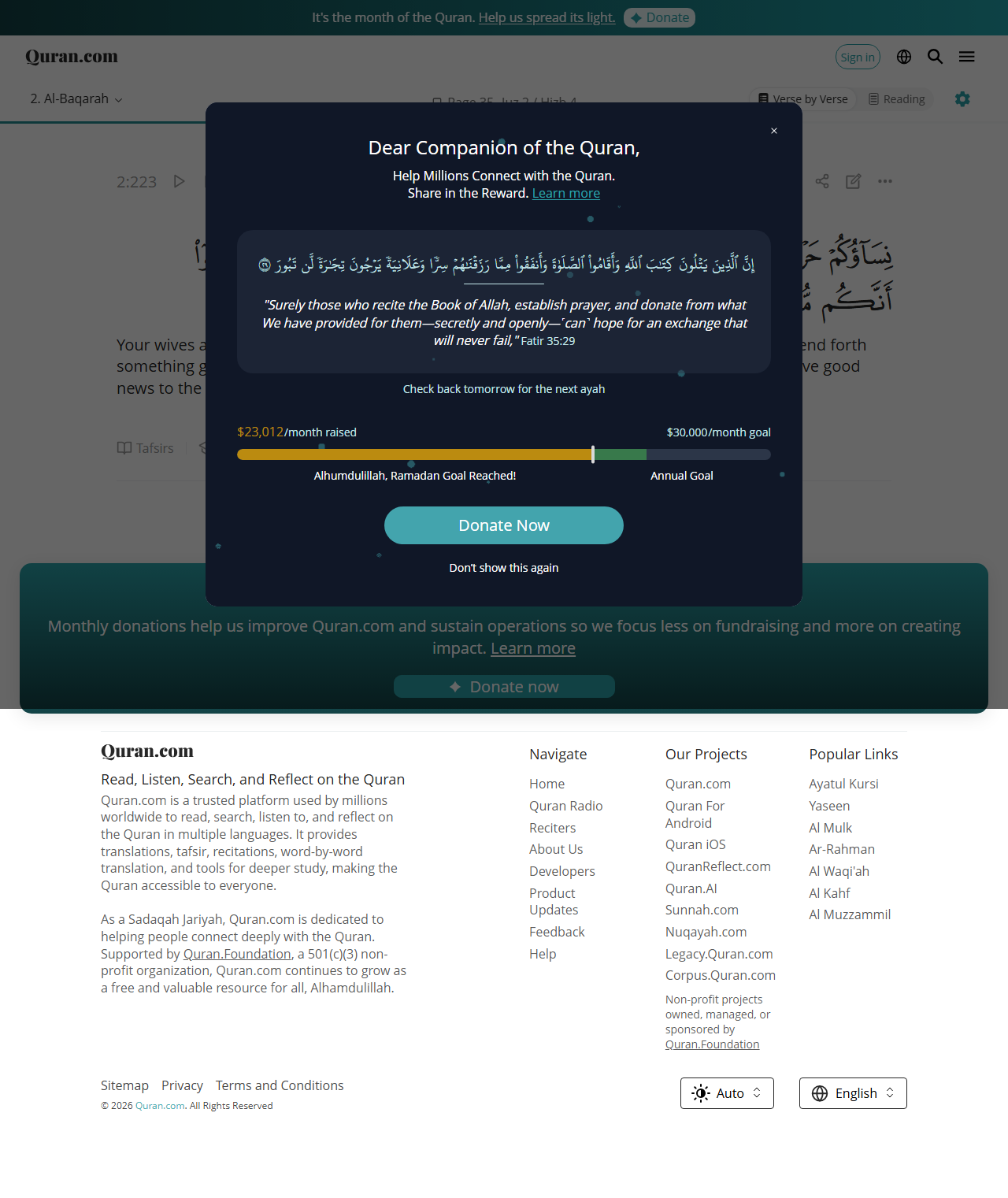
Quran 2:223’s tilth/farmland framing further supports a male-privilege interpretation in the cited translation tradition.6
Verdict: ✅ True.
4. Canonical hadith preserves the Aisha six/nine marriage-consummation narrative
✅ True
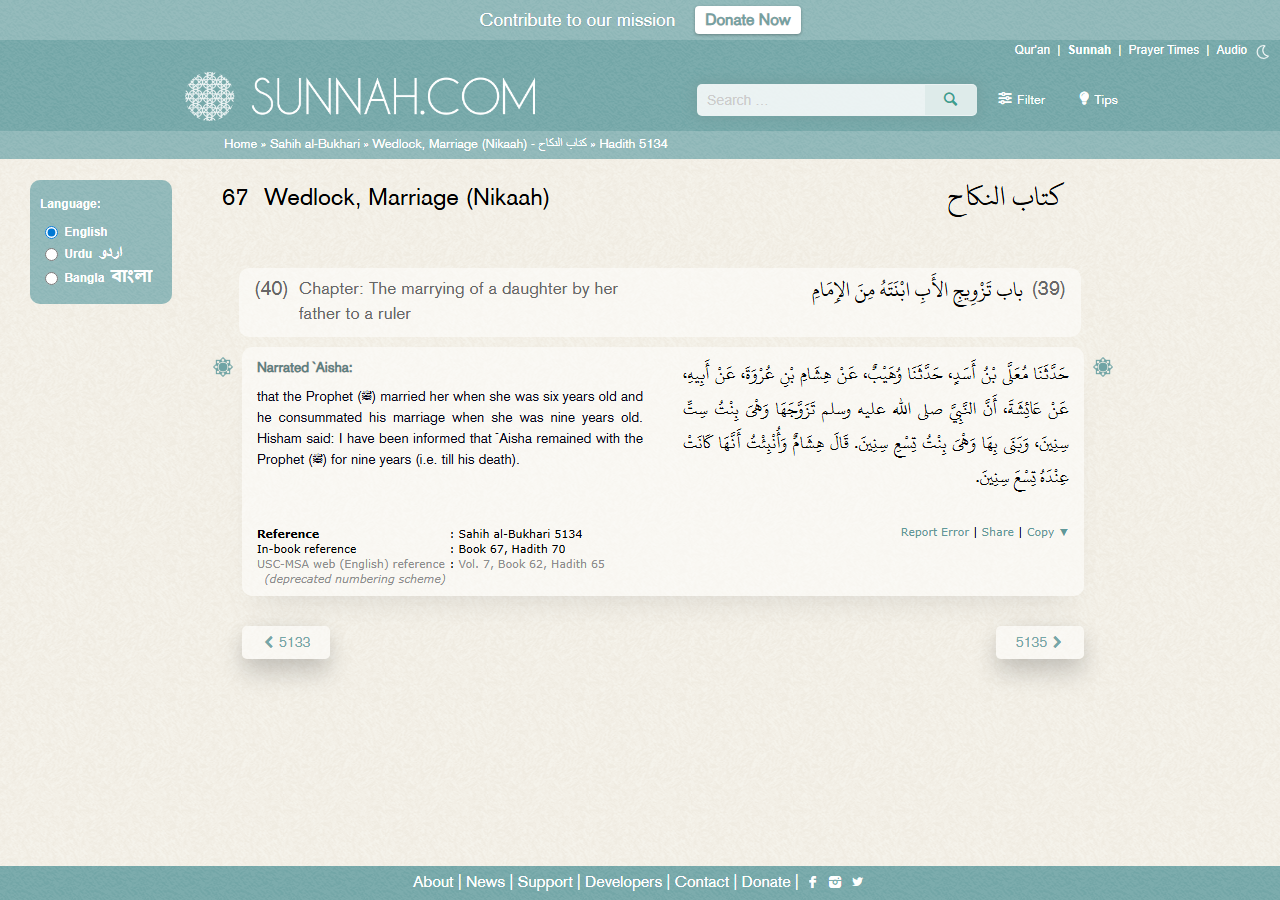
Sahih al-Bukhari 5134 reports marriage at six and consummation at nine.7
Verdict: ✅ True.
5. Contemporary clerical institutions still defend that child-marriage precedent
✅ True
A contemporary conservative fatwa platform (IslamQA) explicitly reaffirms the six/nine narration as historically sound and authoritative, not weak or mistaken.8
That is sufficient to establish ongoing doctrinal defence in active clerical discourse.
Verdict: ✅ Largely True.
6. Cross-country polling shows strong support for punitive sharia penalties against women
✅ True
Pew reports high support for stoning adulterers among sharia-supporting respondents in multiple countries: Pakistan (89%), Afghanistan (85%), Palestinian territories (84%), Egypt (81%), Jordan (67%), Iraq (58%).9
Verdict: ✅ True.
7. UK polling shows substantial wife-obedience attitudes among Muslims
✅ True
ICM/Channel 4 reports that 39% of British Muslims agreed wives should always obey husbands.11
Pew’s cross-country women-in-society chapter also reports large wife-obedience majorities in multiple surveyed countries.10
Verdict: ✅ True.
8. Documented imam rhetoric still blames women’s non-covering for sexual assault risk
✅ True
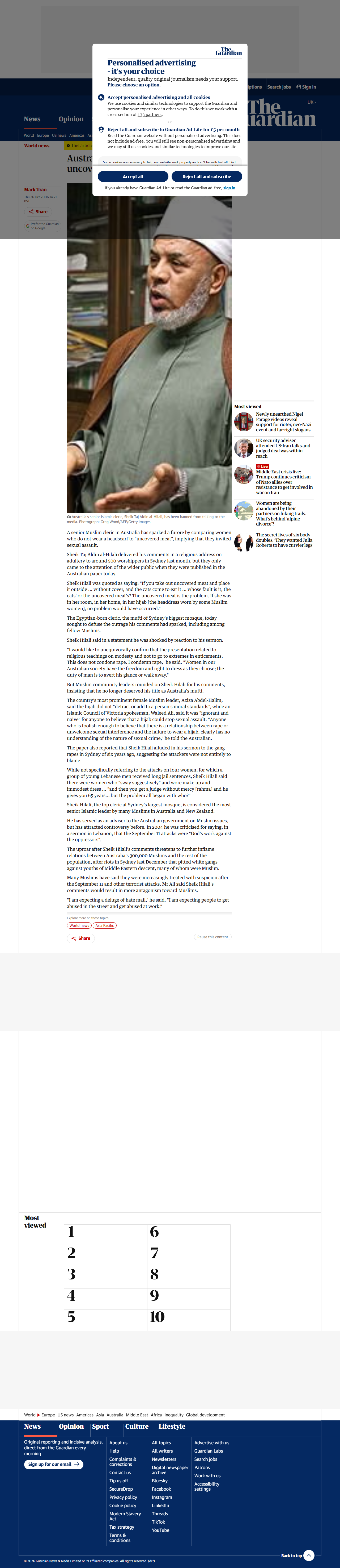
The Guardian documented Sheikh Taj El-Din Hilaly’s “uncovered meat” analogy and linked commentary implying uncovered women invite assault risk.12
Verdict: ✅ True.
9. FGM remains widespread at scale in multiple Muslim-majority countries
✅ Largely True
UNICEF-linked 2024 reporting states over 230 million girls and women globally have undergone FGM.1314
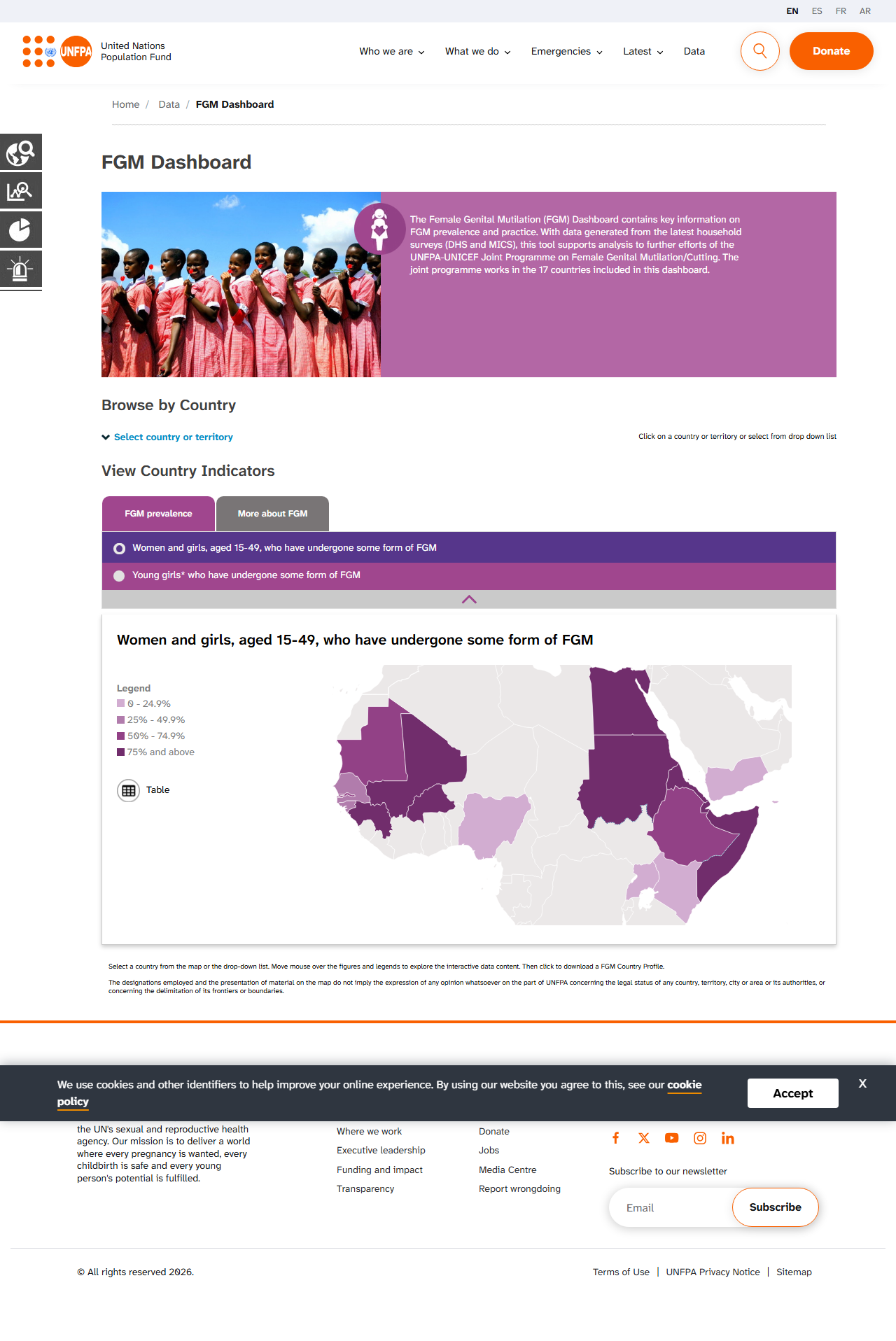
Country-level prevalence among women/girls 15–49 is reported at Somalia 98%, Guinea 97%, and Djibouti 93%.1516 UNFPA provides country dashboard tracking with DHS/MICS-derived indicators.17 UNICEF’s dedicated FGM overview and prevalence datasets provide further country-by-country breakdowns.1819
Verdict: ✅ Largely True.
10. Virginity testing, menstrual exclusion, and honour-killing evidence show current gender-control practice
✅ Largely True
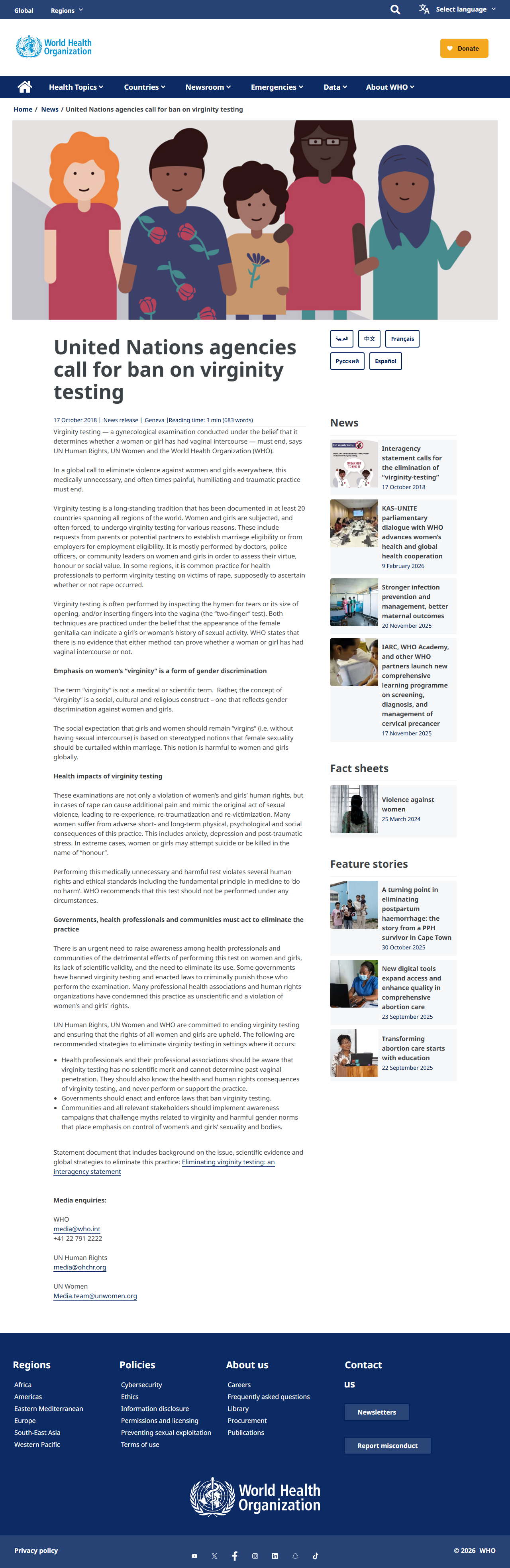
WHO and UN agencies state virginity testing has no scientific merit and should never be performed.20
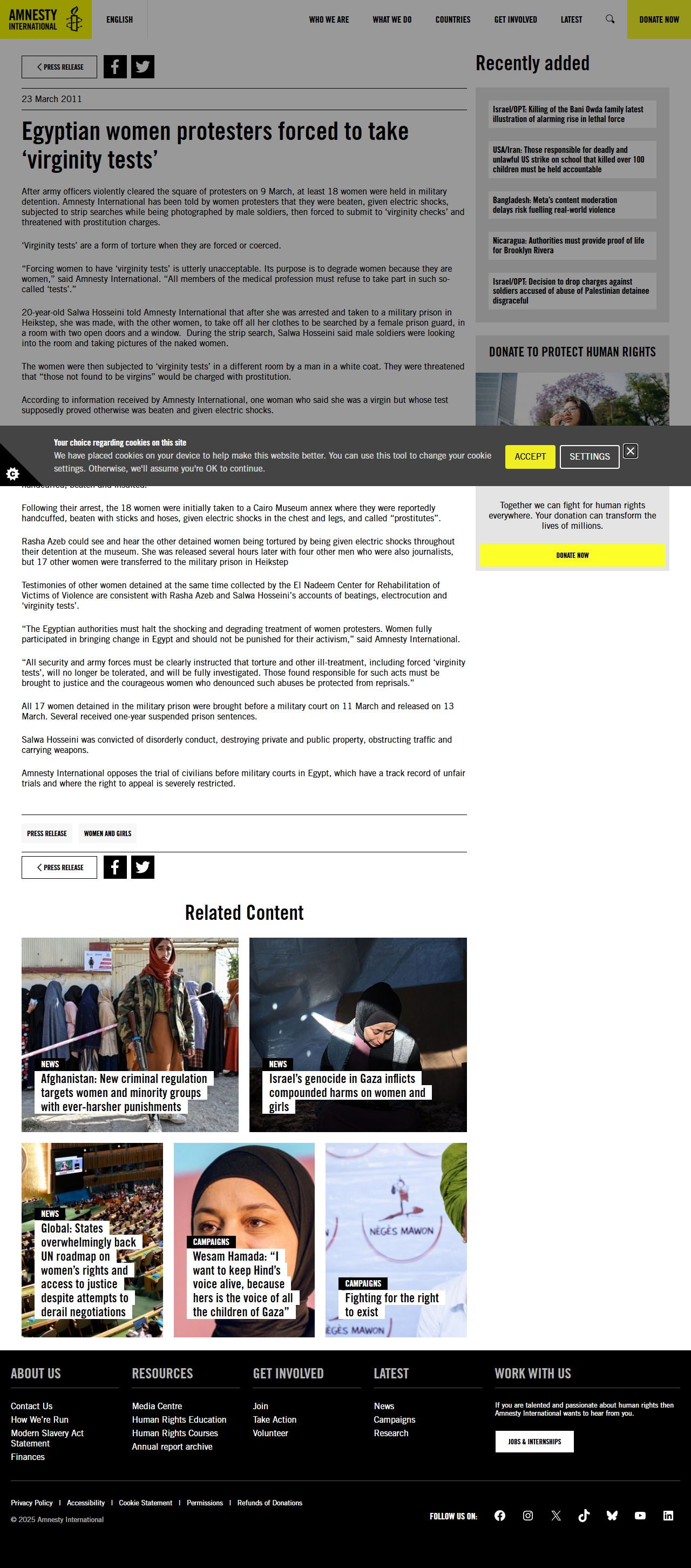
Amnesty documented at least 18 detained women in Egypt (2011) allegedly forced into “virginity checks” during military detention.21
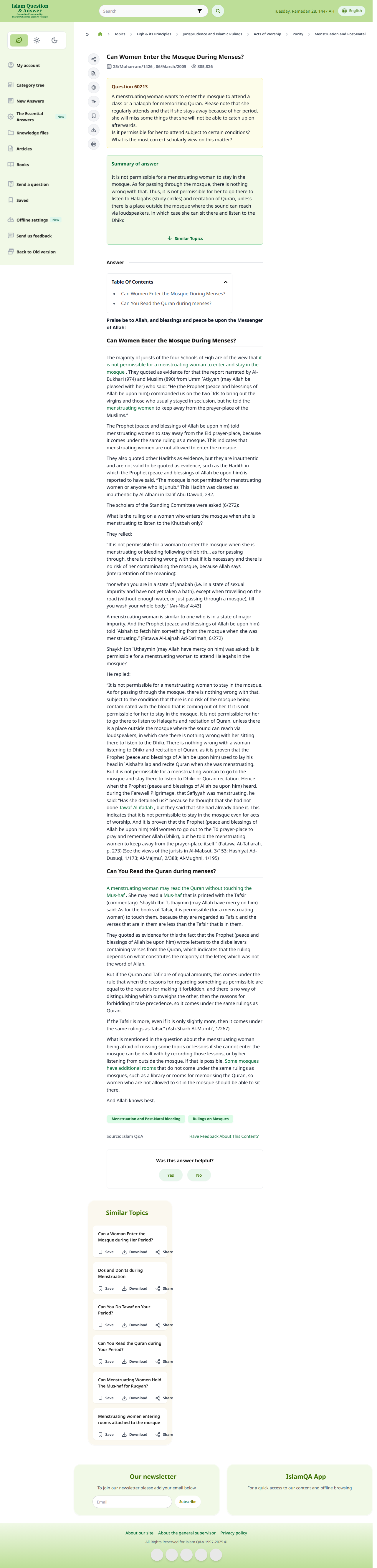
IslamQA jurisprudential guidance states menstruating women should not stay in mosque spaces, showing an explicit exclusion rule in contemporary clerical material.22 UNICEF Pakistan reporting documents that religious myths around menstruation—including restrictions during prayer and religious practice—remain prevalent and are actively reinforced in Pakistan, with many girls receiving no formal menstrual health education.23
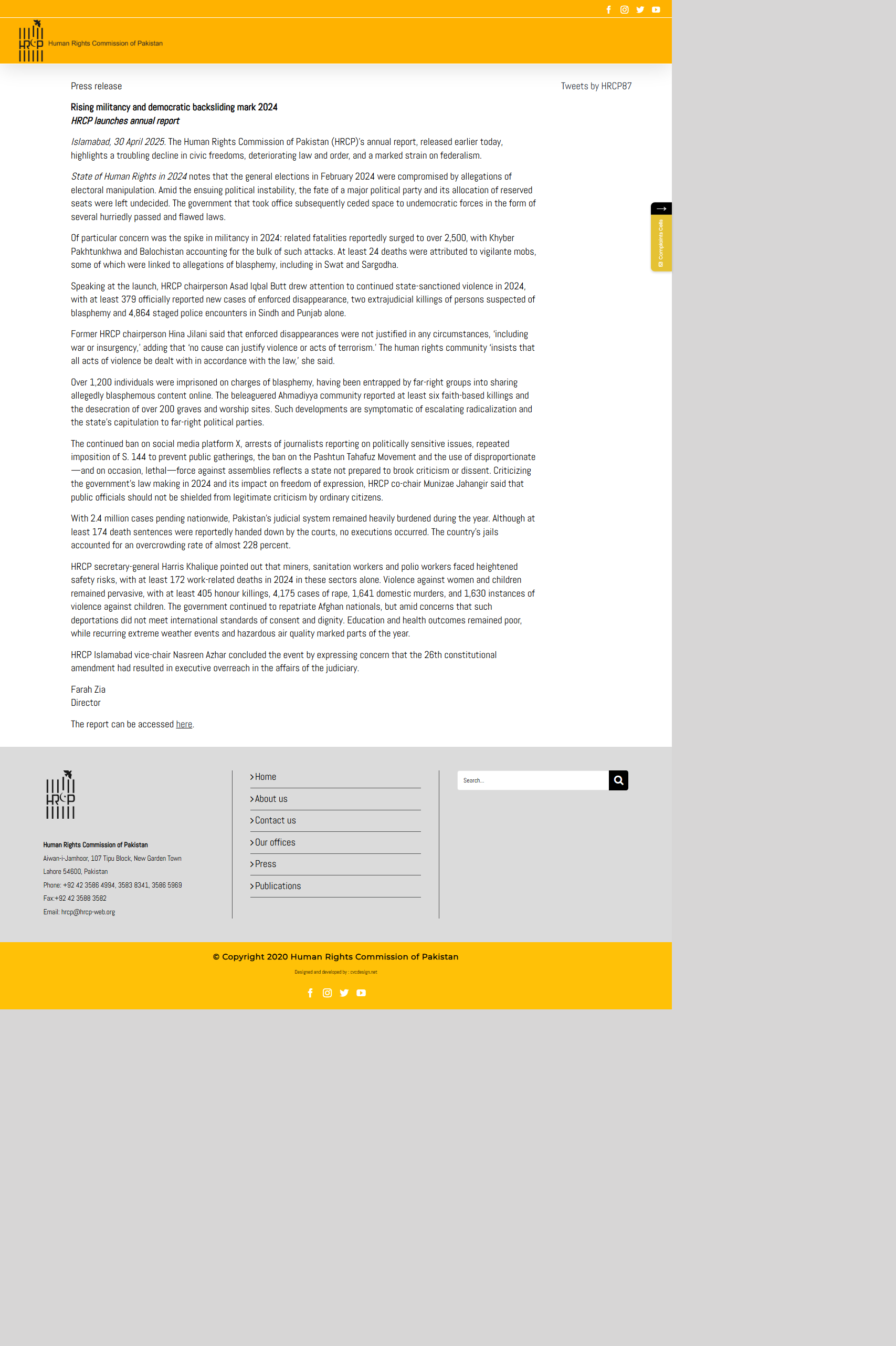
Honour-killing evidence further reinforces the same gender-control pattern. BBC reporting on Pakistan cites around 1,000 women killed in honour-related attacks in 2014 (869 in 2013).24 The Human Rights Commission of Pakistan reports that violence against women remained pervasive in 2024, including at least 405 honour killings.25
Pew cross-country survey data also shows non-trivial attitudinal support. In the countries where the question was asked, only Afghanistan and Iraq had outright majorities saying honour killings of women accused of pre/extramarital sex are often or sometimes justified (60% each).26 Country-level distributions show low “never justified” responses in some cases, including Afghanistan (24% never for accused women), Iraq (22%), Bangladesh (34%), Pakistan (45%), and Egypt (31%).27
Verdict: ✅ True.
11. Dedicated burqa claim independently reaches the same conclusion
✅ True
The burqa question is already covered in a dedicated claim document: “You Cannot Support the Burqa and Be a Feminist”. That standalone article reaches an explicit True verdict and provides the full evidence chain (coercion, enforcement, and feminist counter-argument analysis). This document therefore references that result rather than duplicating the full burqa analysis here.
Verdict: ✅ True.
12. Laws enforcing Islamic gender doctrine in Muslim-majority states
✅ True
The preceding sub-claims are not merely doctrinal abstractions. Multiple Muslim-majority states have incorporated Quranic gender rulings into national law, with state enforcement mechanisms that produce measurable harm to women.
Child marriage: no minimum age or Islamic religious justification
Saudi Arabia had no minimum legal age for marriage for most of its modern history. HRW’s 2019 report documents child marriages of girls as young as 8, notes that a minimum-age proposal passed only in advisory form in January 2019 (with court-approval exceptions for girls aged 15–17 remaining intact), and records clerics arguing a minimum age would contradict Islamic Sharia.2829 A 2009 Reuters report covered the same Saudi government reluctance to set any minimum age, explicitly citing “Islamic Sharia law” as the justification for resistance.30
In Yemen there is no minimum legal age for marriage at all. The Yemeni government’s Sharia Legislative Committee has actively blocked proposals to set a minimum age—explicitly arguing that any such law would be contrary to Islamic law.31 Pew Research confirms that Saudi Arabia and Yemen are among only six countries worldwide that set no minimum age for marriage.32
Bangladesh has the highest child marriage rate in Asia: UNICEF reports that 51% of Bangladeshi girls are married before age 18, with 15% married before age 15.33
Polygyny: legal across Muslim-majority states
Pew Research documents that polygamy is legal for Muslims in Afghanistan, Pakistan, Bangladesh, Iran, Egypt, Saudi Arabia, Qatar, the UAE, and others.34 The practice—explicitly permitted under Quran 4:3—has been codified into national family and personal status law across these states, with Muslim men in each permitted to maintain up to four wives simultaneously.
Female dress codes enforced by criminal law
Iran’s “Law on Protecting the Family through the Promotion of the Culture of Chastity and Hijab”, enacted in 2024, mandates compulsory hijab and imposes criminal sanctions including: fines, travel bans, restrictions on employment and education, up to 10 years in prison for public unveiling, up to 15 years in prison for repeat offences, and—where peaceful activism is shared with foreign media—the potential death penalty.35 Human Rights Watch independently documented the same law, noting fines from $31 to $790 for first violations, prison terms escalating to 10 years, and the extension of enforcement powers to Iran’s Intelligence Ministry, IRGC, police, and judiciary.36
In Taliban-controlled Afghanistan, women face mandatory dress requirements (including burqa mandates in some provinces), alongside prohibitions on employment, secondary and higher education, and freedom of movement.37
Witness testimony inequality: codified in Pakistani law
Pakistan’s Qanun-e-Shahadat Order 1984 (Law of Evidence), Article 17, determines witness competence “in accordance with the injunctions of Islam as laid down in the Holy Quran and Sunnah”—the provision under which two women’s testimony is treated as equivalent to one man’s in certain financial matters.38 In practice, Pakistani banks have required two male witnesses (or four female witnesses) for women’s financial transactions, directly applying this doctrinal framework as operational banking policy.38
Wikipedia’s survey of sharia application across countries confirms that the majority of Muslim-majority states apply sharia-based family and personal status laws—covering marriage, inheritance, and testimony—in their domestic legal codes.39
Verdict: ✅ True.
Summary Table
| Sub-claim | Rating | Summary |
|---|---|---|
| Inheritance ratio in Quran 4:11 | ✅ True | Male-twice-female inheritance wording is explicit in the cited verse |
| Witness ratio in Quran 2:282 | ✅ True | One-man/two-women witness structure appears explicitly in debt-contract wording |
| Male structural privileges in marriage/sexual framework | ✅ True | Polygyny plus possession/bondwomen clauses are present in primary texts |
| Aisha six/nine precedent and clerical defence | ✅ Largely True | Canonical hadith plus modern fatwa confirmation show continuing authority |
| Country/UK polling and imam rhetoric | ✅ True | Pew, ICM, and documented sermons show modern uptake of patriarchal norms |
| FGM/virginity-testing/menstrual exclusion/honour killings | ✅ True | Global burden, country prevalence, contemporary coercive practices, Pakistan honour-killing totals, and Pew cross-country support data are documented |
| Dedicated burqa claim | ✅ True | Standalone burqa article independently concludes incompatibility with feminism |
| Laws enforcing Islamic gender doctrine across Muslim-majority states | ✅ True | Child marriage without minimum age in Saudi Arabia and Yemen (Islamic law cited as justification); Bangladesh 51% child marriage rate; polygyny legal in Saudi Arabia, Pakistan, Iran, Egypt, and others; Iran’s criminal hijab law (up to 10 years prison); Taliban dress mandates in Afghanistan; Pakistan’s unequal testimony law (Article 17 Qanun-e-Shahadat) |
Overall: ✅ True — If feminism is defined as commitment to full legal and social equality of women, then supporting Islam in its mainstream orthodox legal-doctrinal form is incompatible with feminist principles. The case is reinforced by both text-level legal asymmetries and measurable modern uptake in law, polling, preaching, and harmful-practice prevalence.
References
-
Quran.com — Surah An-Nisa 4:11
- Accessed: March 2026
-
page.txt screenshot.png page.html - Key finding: “the share of the male will be twice that of the female” appears explicitly.
-
Quran.com — Surah Al-Baqarah 2:282
- Accessed: March 2026
-
page.txt screenshot.png page.html - Key finding: Financial witness clause includes one man and two women when two men are unavailable.
-
Quran.com — Surah An-Nisa 4:3
- Accessed: March 2026
-
page.txt screenshot.png page.html - Key finding: Men are permitted up to four wives, with justice condition.
-
Quran.com — Surah An-Nisa 4:24
- Accessed: March 2026
-
page.txt screenshot.png page.html - Key finding: Includes “married women—except female captives in your possession” language in cited translation.
-
Quran.com — Surah Al-Mu’minun 23:5-6
- Accessed: March 2026
-
page.txt screenshot.png page.html - Key finding: Sexual permissibility clause includes those in possession/right-hand framework.
-
Quran.com — Surah Al-Baqarah 2:223
- Accessed: March 2026
-
page.txt screenshot.png page.html - Key finding: Wives described as farmland/tilth in translation used.
-
Sunnah.com — Sahih al-Bukhari 5134
- Accessed: March 2026
-
page.txt screenshot.png page.html - Key finding: Reports marriage at six and consummation at nine.
-
IslamQA — How old was Aishah when she married the Prophet?
- Accessed: March 2026
-
page.txt screenshot.png page.html - Key finding: Reaffirms six/nine narration as sound and authoritative.
-
Pew Research Center — The World’s Muslims: Beliefs About Sharia
-
Published: April 2013 Accessed: March 2026 -
page.txt screenshot.png page.html - Key finding: Reports high country-level support for stoning among sharia-supporting respondents (e.g., Pakistan/Afghanistan).
-
-
Pew Research Center — Muslim Views on Women in Society
-
Published: April 2013 Accessed: March 2026 -
page.txt screenshot.png page.html - Key finding: Reports majoritarian wife-obedience attitudes in multiple surveyed countries.
-
-
Channel 4 / ICM — What British Muslims Really Think
-
Published: 2016 Accessed: March 2026 -
page.txt screenshot.png page.html - Key finding: 39% agreed wives should always obey husbands.
-
-
The Guardian — Australian cleric compares uncovered women to “uncovered meat”
-
Published: October 2006 Accessed: March 2026 -
page.txt screenshot.png page.html - Key finding: Records imam quote linking non-covering to assault culpability.
-
-
ReliefWeb (UNICEF source) — Female Genital Mutilation: A global concern (2024 update)
-
Published: March 2024 Accessed: March 2026 -
page.txt screenshot.png page.html - Key finding: Reports over 230 million girls/women affected globally.
-
-
UNICEF — Over 230 million girls and women alive today have been subjected to female genital mutilation
- Accessed: March 2026
-
screenshot.png page.pdf - Key finding: UNICEF press release confirming the 230+ million global FGM figure.
-
ReliefWeb (UNICEF source) — Female Genital Mutilation/Cutting: A Global Concern
- Accessed: March 2026
-
page.txt screenshot.png page.html - Key finding: States highest 15–49 prevalence in Somalia (98%), Guinea (97%), Djibouti (93%).
-
UNICEF — New statistical report: Female Genital Mutilation shows harmful practice is global
- Accessed: March 2026
-
screenshot.png page.pdf - Key finding: Statistical report confirming country-level prevalence and global scope of FGM.
-
UNFPA — Female Genital Mutilation Dashboard
- Accessed: March 2026
-
page.txt screenshot.png page.html - Key finding: Provides country-level FGM prevalence and practice indicators based on DHS/MICS.
-
UNICEF — Female Genital Mutilation (protection overview)
- Accessed: March 2026
-
screenshot.png page.pdf - Key finding: UNICEF global FGM overview page with country and age-group breakdowns.
-
UNICEF Data — Female Genital Mutilation prevalence dataset
- Accessed: March 2026
-
screenshot.png page.pdf - Key finding: Country-by-country FGM prevalence indicators from DHS/MICS surveys.
-
WHO — UN agencies call for ban on virginity testing
-
Published: October 2018 Accessed: March 2026 -
page.txt screenshot.png page.html - Key finding: Virginity testing has no scientific merit and should never be performed.
-
-
Amnesty International — Egyptian women protesters forced to take “virginity tests”
-
Published: March 2011 Accessed: March 2026 -
page.txt screenshot.png page.html - Key finding: Reports at least 18 detained women subjected to alleged forced virginity checks.
-
-
IslamQA — Can menstruating women enter the mosque?
- Accessed: March 2026
-
page.txt screenshot.png page.html - Key finding: States menstruating women may pass through but should not stay in mosque spaces.
-
UNICEF South Asia — Dispelling religious myths around menstruation in Pakistan
- Accessed: March 2026
-
screenshot.png page.pdf - Key finding: Documents how religious myths around menstruation—restricting prayer and daily activities—are actively reinforced in Pakistan, with limited formal menstrual health education for girls.
-
BBC — Pakistan honour killings on the rise, report reveals
-
Published: 2016 Accessed: March 2026 -
page.txt screenshot.png page.html - Key finding: Reports around 1,000 women killed in honour-related attacks in Pakistan in 2014 (869 in 2013).
-
-
Human Rights Commission of Pakistan — Rising militancy and democratic backsliding mark 2024
-
Published: 2025 Accessed: March 2026 -
page.txt screenshot.png page.html - Key finding: Reports at least 405 honour killings in Pakistan in 2024.
-
-
Pew Research Center — The World’s Muslims: Religion, Politics and Society (Executive Summary)
-
Published: April 2013 Accessed: March 2026 -
page.txt screenshot.png page.html - Key finding: States that only Afghanistan and Iraq had majorities condoning honour killings of accused women.
-
-
Pew Research Center — The World’s Muslims: Religion, Politics and Society (Chapter 3: Morality)
-
Published: April 2013 Accessed: March 2026 -
page.txt screenshot.png page.html - Key finding: Provides country percentages for “never justified” and “often/sometimes justified” responses on honour killings of accused women/men.
-
-
Human Rights Watch — Saudi Arabia: 10 Reasons Why Women Flee
-
Human Rights Watch — Saudi Arabia: Law Enshrines Male Guardianship
-
Reuters — Saudi Arabia to regulate girls’ marriages
-
Published: April 2009 Accessed: March 2026 -
screenshot.png page.pdf - Key finding: Reports Saudi Arabia had no minimum legal age for marriage and clerics cited Islamic Sharia as justification for resistance to setting one.
-
-
Girls Not Brides — Yemen child marriage profile
-
Pew Research Center — Many countries allow child marriage
-
UNICEF Bangladesh — Slow progress for adolescent girls in Bangladesh, including the highest child marriage rate in Asia
- Accessed: March 2026
-
screenshot.png page.pdf - Key finding: Bangladesh has the highest child marriage rate in Asia; 51% of girls married before 18, 15% before age 15.
-
Pew Research Center — Polygamy is rare around the world and mostly confined to a few regions
-
Amnesty International — Iran: New compulsory veiling law intensifies oppression of women and girls
-
Human Rights Watch — Iran: New Hijab Law Adds Restrictions and Punishments
-
Human Rights Watch — Afghanistan: Taliban Deprive Women of Livelihoods, Identity
-
The Express Tribune — Two women still equal one man
- Accessed: March 2026
-
page.txt page.html - Key finding: Documents Pakistan’s Qanun-e-Shahadat 1984 Article 17, under which two women’s testimony equals one man’s in financial matters; reports Pakistani banks routinely require two male witnesses (or four female) for women’s financial transactions citing this law.
-
Wikipedia — Application of Sharia by country
- Accessed: March 2026
-
page.txt page.html - Key finding: Identifies Muslim-majority states with strong constitutional Sharia frameworks (Bahrain, Iran, Pakistan, Saudi Arabia); notes that except for secular systems, Muslim-majority countries possess Sharia-based family laws covering marriage, inheritance, and testimony.